Hill and trail workout tracking
How to log elevation gain without misreading pace
Keep climbing, route, pace, duration, and effort together while accounting for GPS and barometric estimation error across devices.
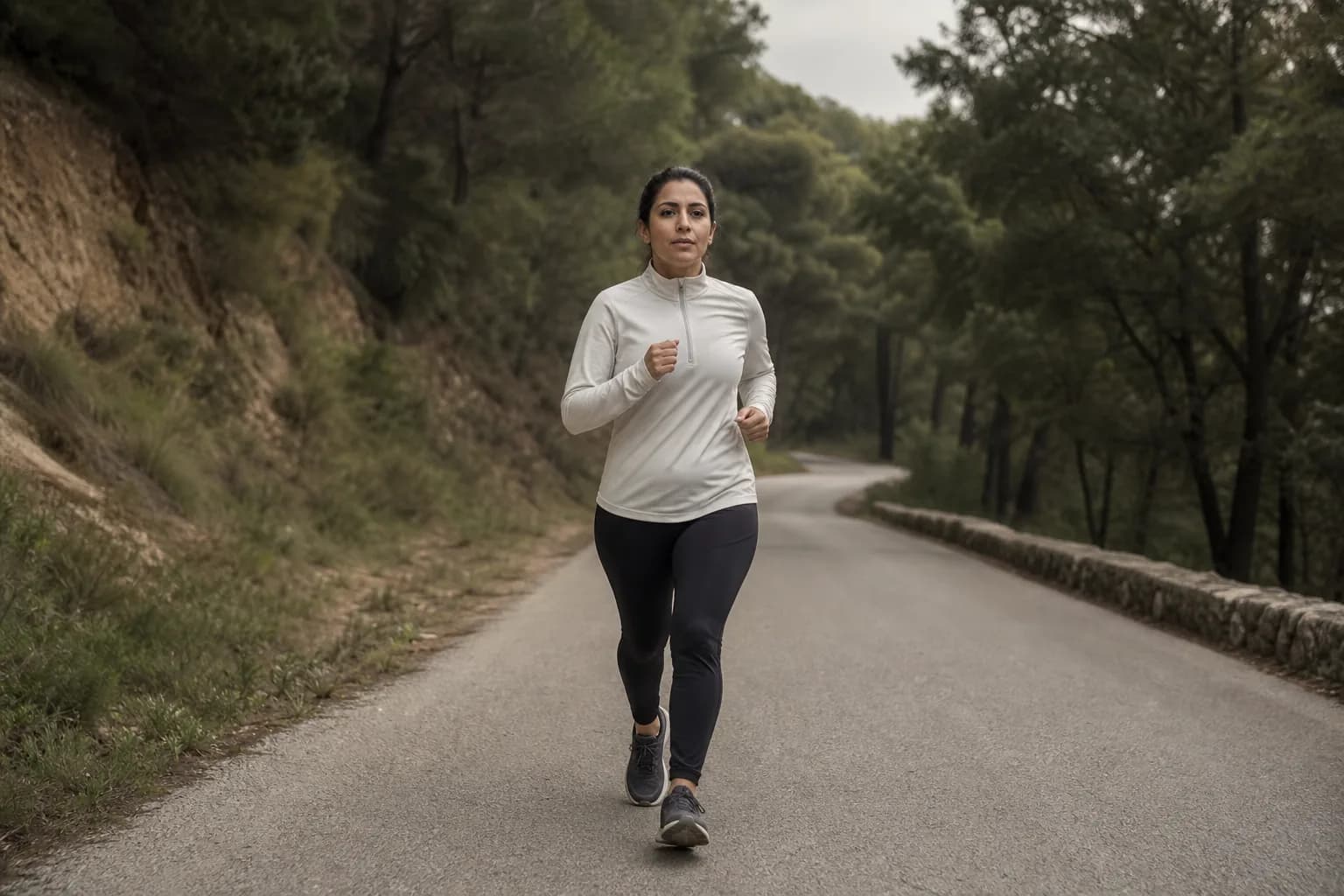
The short answer
Record elevation gain beside distance, duration, route, and effort. A slower pace on a hillier course is not directly comparable with a flat run, and elevation gain itself is an estimate that can vary by device and correction method. Compare repeated routes or consistent data sources before treating a change as performance.
Preserve the climb
Keep elevation beside pace, route, and effort.
LogFast carries ascent and the original route description into the running history so hillier days remain interpretable.
Log a hilly workoutPreserve the route cost
Distance and pace alone make a hilly session look slower without showing why. Total ascent gives useful context, while a route name or surface note helps distinguish smooth road climbing from technical trail movement.
- Distance and elapsed or moving duration
- Elevation gain from a named device or source
- Route or surface
- Average heart rate and RPE when available
Expect measurement disagreement
GPS altitude, barometric sensors, and map-based correction can produce different totals. Weather and signal quality also affect some devices. Keep one source for trend comparisons or state when a corrected value replaced the original.
Example: 10 km in 58 minutes with 320 m ascent should be compared with the same route or another similarly hilly run—not a flat 10 km personal best.
Do not force grade-adjusted precision
Grade-adjusted pace can be a helpful estimate, but slope, surface, descent skill, altitude, and fatigue complicate the conversion. Keep the raw distance, time, ascent, and source available beneath any derived metric.
Frequently asked questions
Why do two apps show different elevation gain?
They may use different sensors, smoothing, elevation databases, and correction methods.
Should descent count too?
Keep total ascent as the common headline and route profile as context; descent can materially affect muscular demand and pace even when it does not add ascent.
Can I compare treadmill incline with outdoor elevation?
Not directly. Treadmill incline is a machine setting, while outdoor ascent is route and device data; keep separate contexts.